Wilmington, MA · Middlesex County
Antimicrobial Treatment Services in Wilmington, MAEmergency Sewage Sanitization & HVAC Duct Sanitization
Local antimicrobial treatment pros offer Antimicrobial Treatment Services in Wilmington, including HVAC duct sanitization, crawl space antimicrobial treatment and emergency sewage sanitization.
Answered 24/7
Expert Antimicrobial Treatment Services Available in Wilmington
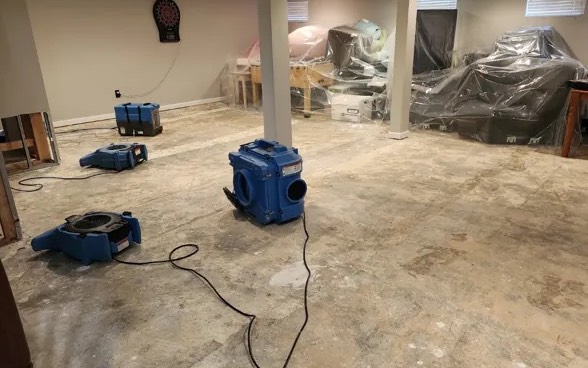
Homes in Wilmington that went through a flood or sewage backup need surfaces disinfected before rooms are rebuilt and used again. That includes lower walls, floors, cabinets and any framing left in place.
A sewage backup in Wilmington needs cleanup and disinfection before the room can be used again. Local antimicrobial treatment pros serve Wilmington and nearby Burlington, Reading and Woburn, with emergency help for contaminated water.
Comprehensive Antimicrobial Treatment Services for Wilmington Homes
Emergency Sewage Sanitization
Sewage and other contaminated water are cleaned up with protective gear, contaminated porous materials are removed, and hard surfaces are disinfected.
HVAC Duct Sanitization
Ducts that pulled in damp, musty air are cleaned before treatment. The source of the moisture, such as a full drain pan, is fixed first.
Bathroom Mold Treatment
Bathrooms stay damp, so a leak behind a tub or toilet can stain grout, caulk and drywall. The leak is fixed and dried, then surfaces are cleaned and treated.
Post Flood Disinfection Services
Hard surfaces that sat in floodwater are washed first, because disinfectants work poorly on dirty surfaces, then treated and left to dry.
Basement Mold Prevention Treatment
After water is pumped out and the basement dried, an antimicrobial is applied to lower walls, framing and the slab where water sat.
Warning Signs You Need Antimicrobial Treatment Services
Condensation on Windows or Pipes
Constant condensation on windows or cold pipes means the air is damp, which keeps surfaces wet and slow to dry.
Wet Materials Left for Days
Drywall, carpet or framing that stayed wet for more than a couple of days is a likely place for microbial growth.
Poor Airflow From HVAC Vents
A musty smell from vents or weak airflow can mean moisture reached the ductwork or air handler.
Recurring Mold After Cleaning
Spots that come back after cleaning usually mean the material is still wet inside or the leak was never fixed.
How Antimicrobial Treatment Services Work in Wilmington
Step 1: Source Identification
The leak, flood or backup that caused the damage is traced and stopped before any treatment begins.
Step 2: Source Removal and Decontamination
Contaminated water and soaked porous materials such as carpet pad and drywall are removed with protective gear.
Step 3: Air and Surface Disinfection
Hard surfaces are washed and then disinfected, and air scrubbers filter dust from the room while work continues.
Step 4: Drying Validation and Odor Control
Moisture readings confirm the materials are dry, and any lingering odors are addressed with extra cleaning or deodorizing.
What Leads to Antimicrobial Treatment Services in Wilmington
Condensation on Cold Surfaces
Warm, humid air condensing on cold pipes, ducts and windows keeps nearby surfaces wet.
Plumbing Leaks and Pipe Bursts
Leaking supply lines and burst pipes soak walls and floors, and materials that stay wet can start to grow microbes.
High Indoor Humidity Levels
Constant high humidity keeps materials damp enough for mold, even without a single large leak.
Roof Leaks and Poor Ventilation
Roof leaks let water into attics and ceilings, where poor airflow keeps insulation and wood damp for days.
Residential and Commercial Antimicrobial Treatment Services in Wilmington
Residential Antimicrobial Treatment Services
For homeowners, the main question is what can stay and what must go. Hard surfaces and framing can usually be cleaned and treated, while soaked carpet and drywall are often replaced.
Commercial Antimicrobial Treatment Services
For property managers, a backup in one unit can affect shared walls and floors. Each affected area is contained, cleaned, treated and documented separately for the owner and insurer.
When DIY Fails: Antimicrobial Treatment Services in Wilmington
Spraying a product on a damp, dirty surface rarely works. The surface must be cleaned and dry first, which is why professional treatment comes after drying, not before it.
Antimicrobial Treatment Services Cost in Wilmington, MA
Crawl spaces, attics and ductwork take more time to reach and treat than open rooms, which raises the total for antimicrobial treatment services in Wilmington.
Material and Agent Selection
The product chosen depends on the surface and the type of contamination, which affects cost.
Contamination Severity
Sewage and floodwater need more removal and disinfection than a clean water leak, which raises the cost.
Access and Containment
Crawl spaces, attics and ductwork take longer to reach and may need containment.
Does Insurance Cover Antimicrobial Treatment Services?
Coverage for antimicrobial treatment services varies from policy to policy. The pros document the work and the materials treated, but your insurer decides what is covered and what is not.
Value of Local Pros for Antimicrobial Treatment Services in Wilmington
Surface and Air Treatment
Hard surfaces are cleaned and disinfected, and air scrubbers can be used while work is under way.
Post-Treatment Checks
Moisture readings and a final walk-through confirm the area is dry and clean before rebuilding.
Industry Cleaning Standards
Cleaning and treatment follow industry water damage standards, applied only after the area is dry.
24/7 Emergency Antimicrobial Treatment Services in Wilmington
The sooner wet, dirty surfaces are cleaned and treated, the less material needs replacing. Call (617) 284-0766 for antimicrobial treatment services in Wilmington.
Call Now (617) 284-0766Antimicrobial Treatment Services in Wilmington
Post-water-damage cleaning and treatment also cover homes and businesses in Burlington, Reading and Woburn, close to Wilmington.
- Antimicrobial Treatment Services in Burlington
- Antimicrobial Treatment Services in Reading
- Antimicrobial Treatment Services in Woburn
- Antimicrobial Treatment Services in Billerica
- Antimicrobial Treatment Services in Tewksbury
- Antimicrobial Treatment Services in Andover
- Antimicrobial Treatment Services in Stoneham
- Antimicrobial Treatment Services in Wakefield
- Emergency Damage Restoration in 01887
- Storm Damage Restoration in 01887
- Water Damage Restoration in 01887
- Water Extraction Service in 01887
- Water Leak Detection in 01887
- Water Removal Service in 01887
Antimicrobial Treatment Services FAQs
Where is crawl space antimicrobial treatment usually needed?
On joists, subfloor and sill plates that got wet from a plumbing leak or seepage, after the space is dried and debris removed.
What is the difference between disinfecting and sanitizing surfaces?
Sanitizing lowers germs on a surface. Disinfecting kills a wider range of germs as listed on the product label. Sewage cleanup calls for disinfection.
How do I know if I need mold remediation antimicrobial treatment?
If framing or subfloor stayed wet for days, shows dark spots after drywall removal or smells musty, it likely needs cleaning and treatment after drying.
What is included in a standard antimicrobial treatment service?
Removing materials that cannot be saved, drying the area, cleaning remaining surfaces and applying an EPA-registered antimicrobial to wood, concrete and other hard materials.
Can antimicrobial treatment help keep a basement from regrowing after a leak?
It helps on surfaces that stay in place, but the basement also needs the leak fixed and humidity controlled, or mold can return.