Weymouth, MA · Norfolk County
Desiccant Dehumidification in Weymouth, MAMold Prevention Drying & Firefighting Water Drying
Get desiccant dehumidification in Weymouth for emergency dehumidification, flood drying services and firefighting water drying.
Answered 24/7
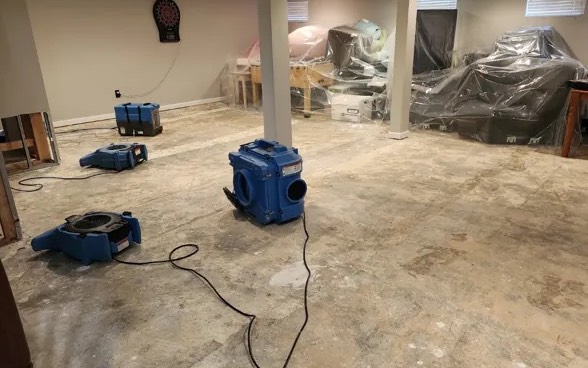
Local Desiccant Dehumidification Services for Weymouth
After water damage in Weymouth, dry air pulls moisture out of wet materials. The drier the air, the faster walls, floors and framing give up their water.
In Weymouth, Hingham, Braintree and Quincy, builders sometimes need slabs and drywall dried before flooring goes in. The pros lower humidity on the job site to speed that up.
Desiccant Dehumidification Methods Used in Weymouth
Mold Prevention Drying
In contained work areas, desiccant dehumidifiers keep the air dry while damaged materials are removed and framing is cleaned.
Firefighting Water Drying
Drying after a fire is done once wet debris is removed, so the structure dries cleanly before rebuilding.
Crawl Space Drying
Water is removed from the crawl space first, then desiccant drying brings humidity down so the framing can dry.
Emergency Dehumidification
Equipment is sized to the space on the first visit and adjusted each day based on readings.
Basement Dehumidification
Once readings show the basement is dry, equipment is removed and the space is ready for repairs.
Warning Signs You Need Desiccant Dehumidification in Weymouth
Efflorescence on Masonry Surfaces
White, powdery deposits on masonry show water moving through concrete or block.
Wet Insulation in Attics or Walls
Insulation that is wet in attics or walls holds water against framing and slows drying.
Active Mold Spots
Dark spots appearing on walls or ceilings mean materials stayed damp long enough for mold.
Strong Damp Odor in Rooms
A damp smell that stays in a room after cleanup means materials there are still holding moisture.
How Desiccant Dehumidification Works in Weymouth
Step 1: Emergency Moisture Evaluation
The wet area is mapped and the right size and type of dehumidifier is chosen.
Step 2: High-Capacity Setup
Large desiccant units are placed for big spaces or cool areas where standard units struggle.
Step 3: Active Drying Cycle
Dry air is moved across wet materials, with daily readings to track progress.
Step 4: Completion and Insurance Records
Final readings and daily drying logs are compiled into a record for your insurer.
Sources of Moisture Requiring Desiccant Dehumidification in Weymouth
Roof Leaks From Damaged Shingles
Roof leaks from damaged shingles soak attic insulation, roof decking and the ceilings below.
Plumbing Leaks or Pipe Bursts
Burst pipes and leaking supply lines soak walls and floors that then need drying.
Fire Suppression System Activation
Fire sprinklers and firefighting water soak large areas of a building at once.
Appliance Malfunctions and Overflows
Washers, dishwashers and water heaters that leak leave wet floors, cabinets and walls.
Desiccant Dehumidification for All Property Types in Weymouth
Residential Desiccant Dehumidification
Homeowners with damp basements may need desiccant drying after a flood because cool concrete and air slow standard units.
Commercial Desiccant Dehumidification
Warehouses with large slabs and stock need humidity kept low during drying to protect inventory and dry the concrete.
Why DIY Falls Short for Desiccant Dehumidification in Weymouth
You can run your own dehumidifier and keep the wet room closed. Drying soaked materials in a crawl space or cool lower level usually needs commercial equipment.
Investing in Desiccant Dehumidification for Weymouth Properties
In Weymouth, starting drying right after a leak or flood usually shortens the job and lowers the total equipment cost.
Moisture Saturation Level
Materials that are fully soaked take longer to dry than lightly damp ones.
Type of Water Damage
Floodwater and sewage need cleaning and removal of materials before drying, which adds cost.
Affected Area Size
Larger affected areas need more drying units and more air movers running at once.
Does Insurance Cover Desiccant Dehumidification?
Coverage for desiccant dehumidification depends on the cause of the water and your policy. The pros document the drying, and your insurer decides what is covered.
Benefits of Local Pros for Desiccant Dehumidification in Weymouth
Post-Flood Drying
Floodwater cleanup is followed by drying that continues until readings are normal.
Desiccant Equipment
Desiccant units are used where they fit, such as cool spaces, crawl spaces and large buildings.
Detailed Moisture Documentation
Daily humidity and moisture readings are logged to show progress and support insurance claims.
24/7 Desiccant Dehumidification for Weymouth Emergencies
If the wet area has electrical hazards or sagging ceilings, stay clear and shut off power if it is safe. Then call (617) 284-0766 for help in Weymouth.
Call Now (617) 284-0766Desiccant Dehumidification Coverage for Weymouth and Beyond
Nearby areas served for desiccant dehumidification include Hingham, Braintree and Quincy, with the same equipment and readings used in Weymouth.
- Desiccant Dehumidification in Hingham
- Desiccant Dehumidification in Braintree
- Desiccant Dehumidification in Quincy
- Desiccant Dehumidification in Rockland
- Desiccant Dehumidification in Randolph
- Desiccant Dehumidification in Abington
- Desiccant Dehumidification in Milton
- Desiccant Dehumidification in Dedham
- Emergency Damage Restoration in 02188
- Storm Damage Restoration in 02188
- Water Damage Restoration in 02188
- Water Extraction Service in 02188
- Water Leak Detection in 02188
- Water Removal Service in 02188
Answers to Top Desiccant Dehumidification Queries
Is desiccant dehumidifier rental available for DIY projects?
Units can be rented, but they need correct setup, and readings are needed to know when materials are dry.
How is emergency dehumidification different from standard service?
It starts right after a leak or flood, any time of day, so materials do not keep soaking up moisture.
What are the benefits of construction drying services?
Drying slabs and drywall on schedule so flooring and finishes are not installed over damp materials.
What happens after desiccant dehumidification is complete?
Final readings are recorded, equipment is removed and the space is ready for repairs or finishes.
What equipment is used for commercial building drying?
High-capacity desiccant or refrigerant dehumidifiers, air movers, moisture meters and sometimes ducting to direct dry air.