Wilmington, MA · Middlesex County
Industrial Dehumidification in Wilmington, MAMold Remediation Services & Disaster Recovery Drying
Industrial Dehumidification in Wilmington includes mold remediation services, structural drying services, and disaster recovery drying.
Answered 24/7
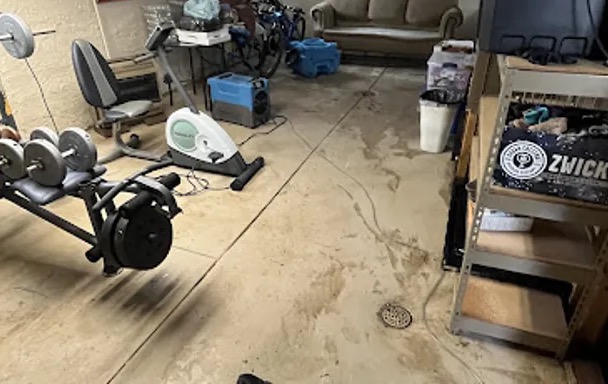
Industrial Dehumidification Solutions in Wilmington, Massachusetts
Commercial water cleanup often involves large volumes of water. High-capacity extraction is the first step to limit mold and damage to the structure.
When flooding hits an industrial building in Wilmington, drying needs to start quickly. Local large loss drying pros also work in nearby Burlington, Reading and Woburn and keep records of the water removal and drying.
Industrial Dehumidification Solutions for Wilmington
Mold Remediation Services
Persistent moisture often leads to mold growth. Industrial dehumidification pros first dry the structure thoroughly. Affected surfaces are then cleaned.
Disaster Recovery Drying
After a large flood or leak, whole floors or wings of a building may need drying at once. High-capacity dehumidifiers and air movers make that possible.
Structural Drying Services
Drying the structure after a leak means getting studs, joists and slabs dry, not just the air in the room.
Industrial Humidity Reduction Systems
Some buildings stay humid long after a leak. Dehumidifiers can be left running to hold humidity at a set level until the building is stable.
Industrial Flood Damage Restoration
Major industrial flooding demands comprehensive restoration. Pros start by extracting water and then dry the structure. They focus on preventing corrosion to metal assets and electrical systems.
Indicators for Industrial Dehumidification Services in Wilmington
Warped or Buckling Materials
Swollen wood, peeling paint or distorted flooring are signs of too much moisture in the building.
Peeling Adhesives or Labels
Boxes losing their shape and labels peeling off mean the storage area is holding too much moisture.
Stained Ceilings or Walls
Yellow or brown water stains show where past leaks happened and where moisture may still be.
Recent Flood or Spill
A burst pipe or overflow that soaks a commercial space needs cleanup and drying right away.
How Industrial Dehumidification Works in Wilmington
Step 1: Initial Water Damage Cleanup
Pumps and extractors remove the visible water to stop more damage and remove slip hazards.
Step 2: Establish Drying Environment
The area is closed off and dehumidifiers lower the humidity so moisture leaves the materials.
Step 3: Execute Structural Drying Plan
Air movers push air across wet surfaces so the water evaporates and the dehumidifiers collect it.
Step 4: Final Dryness Verification
The job ends when readings show the structure and contents are back to normal dryness.
Causes of Excess Moisture Requiring Industrial Dehumidification in Wilmington
Appliance Malfunctions and Overflows
Water heater failures or broken process lines can flood large areas suddenly.
Groundwater Intrusion and Saturation
Poor drainage around the building can let water seep up through the floor.
Poor Ventilation and Airflow
Poor ventilation traps moisture from work processes and people inside the building.
Burst Pipes or Plumbing Leaks
Failed supply lines, faulty fittings, or cracked pipes can release thousands of gallons.
Industrial Dehumidification for Homes and Businesses in Wilmington
Residential Industrial Dehumidification
A flooded basement or crawl space can ruin stored items and weaken foundations. Pros extract the water and dry the structure to prevent costly repairs later.
Commercial Industrial Dehumidification
Restaurant kitchens, stockrooms and offices all need humidity under control after water damage. Commercial dehumidifiers protect equipment and goods from rust and mold.
DIY Moisture Control vs. Professional Industrial Dehumidification in Wilmington
A property owner can document the first damage with photos and written notes for the insurance provider before cleanup begins. Large-scale extraction and structural drying, though, take industrial pumps, dehumidifiers and trained pros.
Industrial Dehumidification Pricing in Wilmington
The pros price the job based on how wet the building is, what materials got wet and how hard the space is to work in.
Structural Material Type
Concrete, wood and steel dry differently, which changes the approach and the time.
Mold Remediation Needs
If mold is found, containment, removal and air scrubbing are added to the job.
Affected Square Footage
The size of the area to be dehumidified sets how much equipment and labor are needed.
Does Insurance Cover Industrial Dehumidification?
Structural drying services after a leak are often covered if the cause is a sudden, accidental peril named in the policy, such as a burst pipe. Homeowners should always verify deductibles, limits, and specific requirements directly with their insurance company before work proceeds.
Why Choose Local Pros for Industrial Dehumidification in Wilmington
Structural Material Knowledge
Concrete, wood and drywall dry at different rates, and the plan accounts for each.
Containment Protocols
Where mold is found, barriers keep it from spreading to other parts of the building.
Detailed Moisture Documentation
Meters and sensors track humidity and moisture, so you can see drying progress day by day.
Emergency Flood Response in Wilmington
Major humidity issues or active flooding demand an immediate, professional response to protect building materials and contents. Dial (617) 284-0766 for 24/7 help with large-scale drying and moisture control from the pros.
Call Now (617) 284-0766Local Industrial Dehumidification Areas: Wilmington and Beyond
Large-scale drying and emergency water removal keep businesses running. Local pros serve Wilmington and the vicinity, including communities like Burlington, Reading and Woburn.
- Industrial Dehumidification in Burlington
- Industrial Dehumidification in Reading
- Industrial Dehumidification in Woburn
- Industrial Dehumidification in Billerica
- Industrial Dehumidification in Tewksbury
- Industrial Dehumidification in Andover
- Industrial Dehumidification in Stoneham
- Industrial Dehumidification in Wakefield
- Emergency Damage Restoration in 01887
- Storm Damage Restoration in 01887
- Water Damage Restoration in 01887
- Water Extraction Service in 01887
- Water Leak Detection in 01887
- Water Removal Service in 01887
Industrial Dehumidification FAQs for Wilmington Property Owners
How long does industrial flood damage restoration take?
It depends on how much water there was, what got wet and the humidity. Large jobs often take several days to a few weeks.
What happens during the property restoration process?
Property restoration involves drying structural materials, cleaning affected surfaces and contents, and sometimes repairing or replacing damaged components after water intrusion.
Does all water require the same cleanup approach?
No. Clean water from a supply line, gray water from appliances and black water from sewage each need different safety and cleanup steps.
How does commercial dehumidification differ from residential?
The focus extends beyond drying to include minimizing operational downtime and protecting sensitive inventory or machinery.
What is structural drying?
It removes moisture soaked into building materials like concrete slabs and walls so they do not decay or grow mold.