Weymouth, MA · Norfolk County
Septic Tank Backup Water Removal in Weymouth, MASeptic Backup Flood Water Removal & Septic Backup Odor Removal
Effective Septic Tank Backup Water Removal in Weymouth stops septic overflow damage from spreading with septic backup sewage cleanup, septic overflow decontamination and emergency septic backup response.
Answered 24/7
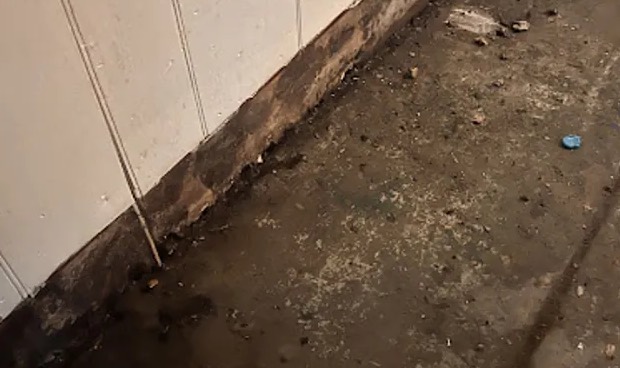
Expert Septic Tank Backup Water Removal for Weymouth Homes
Emergency septic backup service in Weymouth responds to the urgent need to remove hazardous water from living spaces. The overflow creates an immediate environment unfit for occupancy.
Septic tank backup water removal services in Weymouth are vital for homes that rely on septic systems, which can fail due to blockages or heavy use. Properties in nearby areas like Hingham, Braintree and Quincy also face similar risks from septic overflows.
Complete Septic Tank Backup Water Removal Solutions in Weymouth
Septic Backup Flood Water Removal
The first priority is removing standing water from a septic system failure. In Weymouth, extraction experts handle sewage-contaminated fluids.
Septic Backup Odor Removal
Odor removal after a septic backup in Weymouth targets the source of the smell within porous materials and the air.
Septic System Water Damage Repair
Repair work for septic system water damage in Weymouth begins after drying and decontamination are complete. Local water extraction experts can replace damaged subflooring, drywall, and trim to restore the area.
Septic Tank Backup Water Extraction
The water extraction for a septic tank backup in Weymouth uses truck-mounted pumps to remove the contaminated water.
Septic Tank Drain Backup Cleanup
The drain backup cleanup process includes extracting sewage water, flushing the affected pipes, and disinfecting all plumbing fixtures. Local water damage pros ensure the system is clean and functional.
Warning Signs You Need Septic Tank Backup Water Removal
Sewage Backup in Toilets or Drains
Slow drainage or gurgling sounds from fixtures often indicate a septic tank backup. Wastewater may rise in toilets, sinks, or floor drains during use.
Sewage Visible in Cleanout Pipe
If you check the main sewer cleanout and find standing wastewater, your septic system overflow water removal must be addressed immediately by the experts.
Multiple Drains Backing Up Simultaneously
When several fixtures clog or drain slowly at once, the problem is usually the main line or the tank, not a single clog.
Water Backs Up in Lowest Fixtures
Sewage or water appearing in a basement shower or floor drain is a classic sign of septic tank backup water removal being urgently needed.
How Septic Tank Backup Water Removal Works in Weymouth
Step 1: Septic Overflow Response
Local pros respond day or night and assess how far the septic water has spread.
Step 2: Septic System Water Removal
Extraction equipment removes the contaminated liquid quickly and limits the health hazard.
Step 3: Comprehensive Sewage Cleanup
Sanitizing and odor removal follow, so the space is fully decontaminated before drying.
Step 4: Repair and Documentation
The damage is documented for your insurer, and repairs address any structural harm from the backup.
Common Causes of Septic Backups in Weymouth
Old Age and General System Deterioration
Corroded pipes, cracked tanks and failed seals eventually let sewage back into the home.
Damaged or Collapsed Drain Field
When the drain field fails, water has nowhere to go and backs up into the house again and again.
Clogged Inlet or Outlet Baffles
Blockages at the tank's entry or exit points prevent proper flow. This disruption is a frequent reason for septic tank water extraction calls.
Root Infiltration Into Sewer Lines
Tree roots seeking moisture can crack and block pipes, and the backup gets worse over time.
Residential and Commercial Septic Tank Backup Water Removal in Weymouth
Residential Septic Tank Backup Water Removal
A septic backup in a home needs urgent cleanup to protect the household's health. Pros remove the waste, then sanitize all surfaces with hospital-grade disinfectants.
Commercial Septic Tank Backup Water Removal
Industrial facilities with septic issues face complex challenges with machinery and large-scale flooring. The experts utilize truck-mounted pumps and industrial air movers to manage large volumes and restore the workspace to operational condition.
Why Septic Tank Backup Water Removal Requires Professional Local Experts
You can call a plumber to diagnose a simple clog, but if the issue is septic-related, septic overflow decontamination by professionals is required to address the source and the contamination.
Cost Considerations for Septic Tank Backup Water Removal in Weymouth
The more complicated the backup, such as sewage under flooring or in several rooms, the more labor the cleanup takes.
Affected Materials
Porous materials like drywall or flooring that absorb septic water may require removal and disposal, adding to the project's scope and expense.
Damage Documentation
Detailed septic water damage documentation for insurance purposes involves time for photos, moisture mapping, and report preparation by the experts.
Structural Repairs
Any necessary septic system water damage repair, such as replacing subflooring or wall structures, is a separate line item in the restoration process.
Does Insurance Cover Septic Tank Backup Water Removal?
Whether insurance covers septic backup sewage cleanup depends on your policy's language regarding sewer or septic line backups. Some policies require a specific rider or endorsement for this type of water damage.
The Value of Local Septic Backup Water Extraction Experts in Weymouth
Advanced Water Extraction
Powerful pumps and truck-mounted units are used for rapid septic tank water extraction, removing the bulk of the contaminated liquid quickly.
Methodical Drying Process
After extraction, industrial air movers and dehumidifiers ensure the area is dried to prevent secondary mold damage.
Comprehensive Sewage Cleanup
Every surface touched by septic backup receives a thorough cleaning with EPA-registered agents to eliminate contamination risks.
Urgent Septic Tank Backup Water Removal Response in Weymouth
Residential septic backup cleanup is urgent due to contamination risks. If you have a septic backup, get help now from the experts available 24/7 by contacting them at (617) 284-0766.
Call Now (617) 284-0766Septic Tank Backup Water Removal Available Around Weymouth
The experts work in Weymouth to handle urgent septic tank drain backup situations. Their coverage area includes nearby places such as Hingham, Braintree and Quincy for on-site assistance.
- Septic Tank Backup Water Removal in Hingham
- Septic Tank Backup Water Removal in Braintree
- Septic Tank Backup Water Removal in Quincy
- Septic Tank Backup Water Removal in Rockland
- Septic Tank Backup Water Removal in Randolph
- Septic Tank Backup Water Removal in Abington
- Septic Tank Backup Water Removal in Milton
- Septic Tank Backup Water Removal in Dedham
- Emergency Damage Restoration in 02188
- Storm Damage Restoration in 02188
- Water Damage Restoration in 02188
- Water Extraction Service in 02188
- Water Leak Detection in 02188
- Water Removal Service in 02188
Septic Tank Backup Water Removal FAQs
What causes a septic tank flooding incident?
Common causes include a full tank, a clogged drain field, pipe blockages or heavy rain overwhelming the system.
Does septic backup emergency service work 24/7?
Yes, the experts offer around-the-clock emergency response because septic failures can happen at any time and require immediate intervention to limit damage.
How quickly should I call for septic backup sewage cleanup?
Right away. Sewage carries germs that can make people sick, and the longer it sits the more it soaks into floors and walls.
Is residential septic backup cleanup a DIY job?
No. Sewage exposure is a serious biohazard risk. Professional septic backup cleanup specialists have the training, equipment, and protective gear to handle contamination safely and effectively.
What happens during septic tank water extraction?
Powerful submersible pumps and truck-mounted extractors are used to remove the bulk of the contaminated liquid from the property, which is the first critical step in the restoration process.