Medford, MA · Middlesex County
Tile Floor Water Damage Restoration in Medford, MAFlooded Tile Floor Restoration & Tile Floor Mold Prevention
Tile Floor Water Damage Restoration in Medford starts with tile floor water extraction, wet tile floor cleanup, and tile floor water damage repair.
Answered 24/7
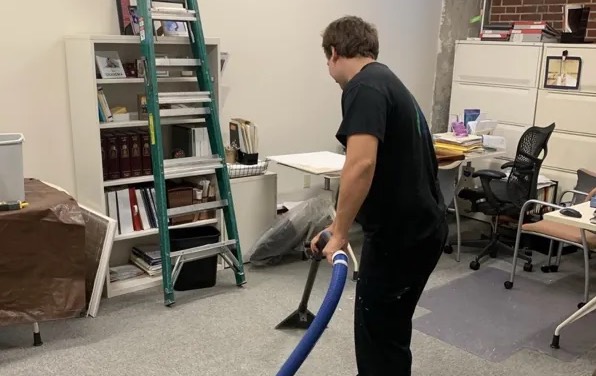
Tile Floor Water Damage Restoration Experts Serving Medford, Massachusetts
Tile floors in Medford are vulnerable to water intrusion, which can hide moisture that promotes mold growth and warping. Addressing tile floor water damage quickly protects a resident's health and the property's structural integrity, making a prompt response critical.
Across Medford and nearby places like Malden, Somerville and Arlington, water damaged tile floors need expert care to restore their appearance and function. The tile floor water damage cost can escalate if moisture isn't fully removed.
Tile Floor Water Damage Restoration Services in Medford
Flooded Tile Floor Restoration
Major flooding requires a systematic restoration approach. Pros follow established protocols to manage water removal, structural drying, and content protection.
Tile Floor Mold Prevention
Moisture left behind in tile grout can lead to mold within 24-48 hours. Water damage restoration pros incorporate mold prevention protocols into every job, including application of preventive solutions.
Tile Floor Drying Services
Incomplete drying leads to long-term problems like mold and floor failure. Professionals implement a structured drying plan using commercial-grade equipment to circulate air and remove humidity.
Tile Floor Moisture Inspection
Inspection confirms when drying is complete and no hidden risks remain. Restoration professionals take precise moisture readings across the affected area to establish a baseline.
Tile Floor Water Extraction
Efficient water extraction stops damage at its source. Specialists use industry-grade equipment to suction water from ceramic, porcelain, or stone tile surfaces.
Warning Signs You Need Tile Floor Water Damage Restoration
Warping or Buckling Sections
Tiles that lift, warp or buckle usually sit on a soaked subfloor.
Grout Crumbling Away
Grout that cracks, crumbles or falls out between tiles often means water is getting underneath.
Efflorescence on Tile Surface
A white, powdery residue on tiles is efflorescence, a mineral deposit left by evaporating water. It signals previous moisture issues that need addressing.
Increased Humidity in the Room
A noticeable spike in room humidity, often near a tiled area, suggests evaporating moisture from a hidden leak. This warrants a professional tile floor water damage inspection.
How Tile Floor Water Damage Restoration Works in Medford
Step 1: Initial Damage Assessment
The Tile Floor Water Damage Restoration process starts with a detailed assessment to determine the source, extent, and category of water affecting the tile floor and subfloor.
Step 2: Water Removal and Cleanup
All standing water is extracted, followed by wet tile floor cleanup of debris and contaminants.
Step 3: Structural Drying Phase
Specialized drying equipment creates airflow and controls humidity to methodically remove moisture from the tile installation system and prevent warping.
Step 4: Verification and Final Repair
Final moisture readings verify dryness. Any compromised tiles are then addressed with matching replacements, completing the flooded tile floor restoration.
Sources of Water Damage for Tile Floor Water Damage Restoration
Appliance Leaks and Malfunctions
Dishwashers, washing machines, water heaters, and refrigerators with ice makers can leak slowly, saturating the subfloor beneath adjacent tile flooring over time.
Natural Flooding Events
Heavy rain or flash floods can push water into a home and across tiled floors.
Overflowing Sinks or Tubs
An overflowing bathroom sink, shower, or bathtub can send large volumes of water across a tile floor, seeping into grout and underneath the tiles.
Toilet Overflows and Seal Failures
A clogged toilet or a failed wax ring seal lets water spill onto the bathroom floor and seep under the tile.
Tile Floor Water Damage Restoration for All Properties in Medford
Residential Tile Floor Water Damage Restoration
For flooded tile floor restoration in a home, pros systematically extract water, dry the subfloor, and inspect for hidden moisture.
Commercial Tile Floor Water Damage Restoration
Offices and stores with tile floors get water removed from under the tile after plumbing or roof leaks. The pros can work after hours to limit disruption.
Why Hire Local Pros for Tile Floor Water Damage Restoration in Medford
After a minor spill, open windows and run fans to dry the tile surface. Moisture in the grout and subfloor needs the pros with industrial dehumidifiers.
Understanding Tile Floor Water Damage Restoration Costs in Medford
Price depends on the drying time, how hard the water is to extract and the size of the affected area.
Tile and Grout Type
Specialized materials like porous stone or intricate grout can complicate the tile floor water damage repair procedure.
Extent of Damage
The square footage of water damaged tile floors and depth of saturation directly influence the restoration scope and cost.
Mold Prevention Needs
If tile floor moisture issues present a mold risk, additional antimicrobial treatments may be part of the restoration cost.
Does Insurance Cover Tile Floor Water Damage Restoration?
Flooded tile floor restoration might be covered under certain policy endorsements or separate flood insurance. The experts document all moisture inspection findings.
Advantages of Hiring Water Damage Restoration Pros in Medford
Advanced Moisture Detection
Moisture meters find water under the tile so the floor is dried completely.
Detailed Damage Documentation
Pros document the tile floor water damage inspection with readings and photos for your personal records.
Clear Process Communication
You receive straightforward explanations of each step, from initial assessment through the final moisture verification.
24/7 Emergency Tile Floor Water Damage Restoration in Medford
Tile floor moisture issues can escalate quickly if not addressed. For 24/7 emergency tile floor water damage repair, homeowners in Medford should dial (617) 284-0766.
Call Now (617) 284-0766Tile Floor Water Damage Restoration Near Medford: Areas Served
Addressing water damaged tile floors is a common need for homes in Medford. The experts provide service to Medford and nearby places such as Malden, Somerville and Arlington.
- Tile Floor Water Damage Restoration in Malden
- Tile Floor Water Damage Restoration in Somerville
- Tile Floor Water Damage Restoration in Arlington
- Tile Floor Water Damage Restoration in Everett
- Tile Floor Water Damage Restoration in Winchester
- Tile Floor Water Damage Restoration in Cambridge
- Tile Floor Water Damage Restoration in Melrose
- Tile Floor Water Damage Restoration in Belmont
- Emergency Damage Restoration in 02153
- Storm Damage Restoration in 02153
- Water Damage Restoration in 02153
- Water Extraction Service in 02153
- Water Leak Detection in 02153
- Water Removal Service in 02153
- Emergency Damage Restoration in 02155
- Storm Damage Restoration in 02155
Tile Floor Water Damage Restoration FAQ for Medford Residents
How is water under tile flooring removed?
To remove water under tile flooring, strategic access points may be created or specialized systems used to direct airflow and dehumidification beneath the tile surface for effective drying.
What are tile floor drying services?
These services use industrial air movers and dehumidifiers in a calculated layout to evaporate and remove moisture from the tile assembly.
Why is fast response critical for tile floor water damage?
A quick start to extraction and drying minimizes absorption, limits damage to the subfloor, and drastically reduces the risk of mold development.
What tools are used for tile floor water damage inspection?
Inspections utilize tools like moisture meters, hygrometers, thermal imaging cameras, and sometimes borescopes to accurately assess both visible and concealed water damage within the flooring assembly.
What causes tile floor moisture issues?
Common causes include appliance leaks like from dishwashers, plumbing failures such as burst pipes, overflow incidents from sinks or tubs, or groundwater intrusion through cracks in the foundation.