Rockland, MA · Plymouth County
Temperature-Controlled Drying in Rockland, MARapid Structural Drying Services & Thermal Drying For Water Damage
In Rockland, Temperature-Controlled Drying from local temperature-controlled drying specialists includes rapid structural drying services, drying equipment deployment, and water damage drying logs for documented recovery.
Answered 24/7
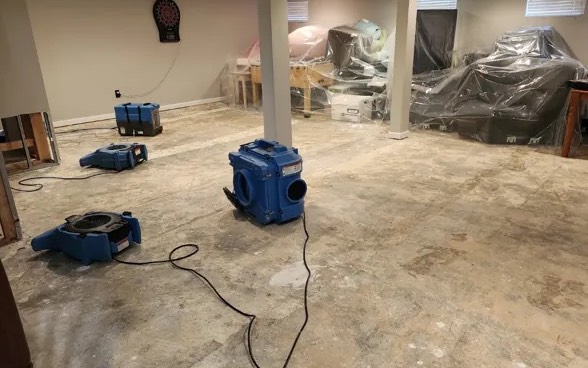
Expert Temperature-Controlled Drying Services in Rockland, Massachusetts
In Rockland, water spreads quickly through wood and concrete. Local pros use controlled heat to drive moisture out of those materials faster.
In Rockland and nearby Abington, Whitman and Weymouth, local pros take baseline moisture readings, then run air movers and dehumidifiers and log moisture levels as they drop.
Temperature-Controlled Drying Services in Rockland
Rapid Structural Drying Services
Rapid drying protocols focus on core materials providing a building's strength. Local drying equipment pros implement these methods for wood, concrete, and steel.
Thermal Drying for Water Damage
The specialists apply thermal energy to enhance air mover and dehumidifier effectiveness. This lowers relative humidity, creating a stronger force to pull moisture from materials.
Climate-Controlled Drying Systems
For complex jobs, the specialists use industrial equipment to keep humid air from re-wetting materials, so walls dry all the way through.
Drying Equipment Deployment
The specialists in Rockland position equipment to create the controlled environment. They set correct settings and may build containment barriers, turning the drying plan into action.
Air Mover Placement for Drying
The tactical setup of air-moving equipment establishes cross-flow or focus drying patterns. The specialists adjust the strategy daily based on monitoring data, repositioning units.
Indicators for Temperature-Controlled Drying in Rockland Properties
Damp Odors Persisting After Water
A musty smell lingers even after visible water is gone, indicating hidden moisture. That odor often signals mold or trapped dampness.
Soft Drywall or Sagging Ceiling
Drywall feels spongy to the touch or a ceiling sags downward. This softness means the material is saturated and structurally compromised.
Condensation on Windows or Surfaces
Excess humidity causes water droplets to form on cold surfaces. This condensation confirms the indoor air has too much moisture.
Moisture Meter Shows High Readings
A moisture meter reading high inside walls or floors means drying is not finished.
How Temperature-Controlled Drying Works in Rockland
Step 1: Initial Moisture Survey and Readings
Pros take baseline moisture readings across the property to plan the drying.
Step 2: Precision Air Mover Placement
Air movers are placed at set angles and distances to target specific wet materials.
Step 3: Deployment of Drying Systems
Dehumidifiers are sized to the moisture load and the size of the space.
Step 4: Ongoing Monitoring and Adjustment
Equipment is moved and adjusted as materials dry, so drying keeps moving.
Sources of Water Intrusion Needing Moisture Removal in Rockland
Overflowing Sinks or Bathtubs
A simple blockage or forgetfulness leads to an overflow event. Water spreads quickly, soaking cabinetry and flooring, and requires thorough drying equipment deployment.
Storm-Driven Water Intrusion
Heavy rain overflows gutters or gets in around windows and soaks framing and insulation.
Undetected Plumbing Leaks
A slow drip behind a wall or under a slab saturates materials over time.
Poor Ventilation After a Flood
Closing up a wet room traps humid air, which slows drying and lets moisture soak further into materials.
Residential and Commercial Drying in Rockland, MA
Residential Temperature-Controlled Drying
At home, moisture hides in attics, crawl spaces and behind finished walls. Pros map it before setting up equipment so the whole house dries.
Commercial Temperature-Controlled Drying
In offices, schools and clinics, pros use quieter drying equipment that can run in occupied spaces, and document when drying is complete.
Professional Temperature-Controlled Drying vs. Do-It-Yourself in Rockland
For a small, recent water spill, use towels to blot surface water and improve air circulation with fans. If water soaks into porous materials like drywall or carpet padding, contact the experts.
Factors in Temperature-Controlled Drying Pricing for Rockland, MA
In Rockland, cost depends on how complex the moisture mapping is and how much equipment the area needs.
Equipment Needs
The number and type of air movers, dehumidifiers and heaters used affect the cost.
Extent of Water Damage
The larger the area that needs drying, the more equipment and labor the job takes.
Documentation Requirements
Detailed drying logs and moisture reports for insurance take extra time to prepare.
Does Insurance Cover Temperature-Controlled Drying?
Coverage is not automatic and depends on your policy. The pros provide humidity readings and equipment logs for your claim file. Your insurer decides what is covered.
Benefits of Local Specialists for Temperature-Controlled Drying in Rockland
IICRC-Standard Drying Methods
Drying follows industry guidelines and is checked with meters, which keeps framing and floors from staying wet.
Strategic Equipment Deployment
Air movers and dehumidifiers are placed according to a plan for even airflow and low humidity.
Structural Drying
The focus is on quickly extracting moisture from structural components to minimize warping, swelling, or the potential for mold growth.
Emergency Moisture Control in Rockland
Wet walls and floors keep getting worse until they are dried. Call the pros at (617) 284-0766 to set up drying equipment without delay.
Call Now (617) 284-0766Temperature-Controlled Drying Near Rockland: Communities Served
The pros provide temperature-controlled drying for Rockland and adjacent areas such as Abington, Whitman and Weymouth.
- Temperature-Controlled Drying in Abington
- Temperature-Controlled Drying in Whitman
- Temperature-Controlled Drying in Weymouth
- Temperature-Controlled Drying in Randolph
- Temperature-Controlled Drying in Braintree
- Temperature-Controlled Drying in Hingham
- Temperature-Controlled Drying in Scituate
- Temperature-Controlled Drying in Stoughton
- Emergency Damage Restoration in 02370
- Storm Damage Restoration in 02370
- Water Damage Restoration in 02370
- Water Extraction Service in 02370
- Water Leak Detection in 02370
- Water Removal Service in 02370
Your Temperature-Controlled Drying Questions Addressed
How long does the temperature-controlled drying process take?
It depends on the damage, the materials and the conditions. Pros monitor readings and stop when moisture goals are met.
What is temperature-controlled drying?
It is a drying method that controls heat and humidity together to remove moisture from building materials and contents safely and quickly.
What should a property owner do while waiting for help with drying?
If safe, remove obvious standing water with a mop or towels, move dry contents away from the wet area, and avoid using household fans which can spread contaminants.
How does thermal drying for water damage work?
Thermal drying applies carefully managed heat to increase the evaporation rate of moisture trapped within materials, accelerating the drying process while monitored to prevent damage.
How is drying progress verified during moisture monitoring?
Progress is verified by taking comparative moisture readings with penetrating and non-penetrating meters over time, ensuring levels drop to established dry standards for each material.